Industry Insights: Trends in Lime Handling Equipment
At a Glance
In many industries—from water treatment to chemical manufacturing to steel—lime handling equipment plays a vital role in keeping operations running smoothly. As industrial processes continue to evolve, the need for reliable, efficient systems has only grown. At Carmeuse Systems, we’ve spent years designing and engineering bulk chemical storage, material handling, and lime slaking solutions, giving us a clear view of where the industry is heading.
This article takes a closer look at the trends shaping modern lime handling equipment and highlights what organizations should keep in mind as they look to improve performance, safety, and overall efficiency.
Automation and Digitalization
One of the most significant trends in lime handling equipment is the increasing demand for automation and digitalization. As industries strive for enhanced efficiency and reduced operational costs, automated systems are becoming essential. Automation not only minimizes human error but also enables real-time monitoring and data analytics, leading to more informed decision-making. Advanced control systems can monitor lime handling processes, allowing operators to make adjustments that improve material performance and reduce waste. Major market players have already introduced sophisticated automated systems equipped with advanced sensors and control units to track system performance in real time, significantly boosting operational precision.
Moreover, the use of Industrial Internet of Things (IIoT) technology is gaining traction in lime handling systems. IIoT‑enabled devices can provide valuable insights into equipment performance and maintenance needs. By integrating sensors and connected devices, operators can track parameters such as temperature, pressure, and flow rates.
Sustainability and Environmental Compliance
Sustainability is another major driver influencing equipment design. As regulatory pressures mount and public awareness of environmental issues grows, companies are increasingly seeking lime handling solutions that align with and can help realize their sustainability goals.
Stringent environmental regulations, particularly regarding dust control and emissions, are accelerating the adoption of closed‑loop handling systems that prevent lime dust from escaping into the atmosphere.
Equipment designs that minimize dust emissions and optimize energy consumption are increasingly in demand to meet environmental compliance requirements and enhance companies’ corporate social responsibility profiles.
Customization
No two lime systems are alike - there are unique lime handling requirements by industry, company, and even by site. The need for customization and tailored solutions goes hand in hand with optimization efforts.
Carmeuse Systems excels in providing customized equipment that meets specific operational needs, whether that involves modifications in storage capacity, flow promotion, material throughput, or integration with existing systems. This adaptability is crucial for businesses aiming to optimize their processes while ensuring that their lime handling systems are both efficient and effective.
Scalability
Scalability is another important trend in lime handling equipment. As businesses grow and their needs change, having scalable equipment becomes vital. Modular systems allow for easy expansion without the need for significant overhauls. This flexibility ensures that companies can respond to market demands swiftly. Carmeuse Systems is known for its ability to design scalable solutions that accommodate future growth while optimizing current operations.
Safety
Safety remains a paramount concern in lime handling processes. The inherent risks associated with handling dry bulk materials require equipment that prioritizes safety without compromising efficiency. Recent advancements in lime handling technology have focused on enhancing safety features. For example, Carmeuse Systems equipment features slaking water flow water monitoring with deviation alarming, precision temperature monitoring, emergency water verification process, and other safety-focused features. By integrating safety into the design process, Carmeuse Systems ensures that its equipment meets the highest safety standards while facilitating effective lime handling.
The Final Word
To remain competitive in a rapidly evolving industrial landscape, organizations must continue investing in smarter technologies, environmentally responsible systems, and tailored solutions that evolve alongside operational needs. Today, we see trends in lime handling solutions driven by the demands for automation, sustainability, customization, scalability, and safety. As a leader in the industry, Carmeuse Systems is uniquely positioned to address these trends through innovative designs and engineering solutions. As advancements accelerate and expectations rise, the players that proactively embrace these trends will set new standards for performance, resilience, and long‑term value.

About the Author
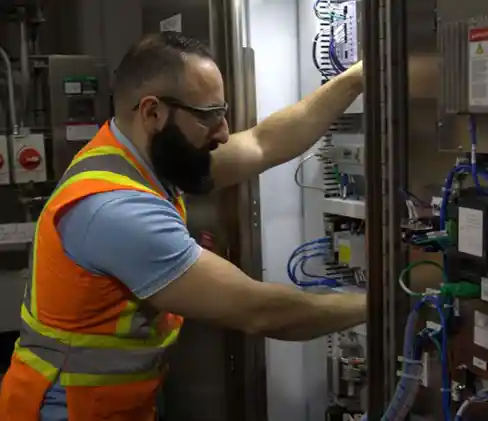
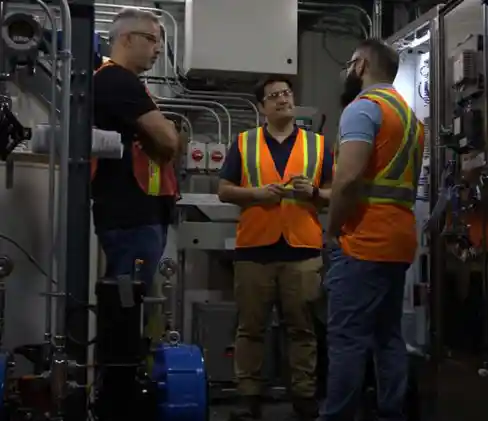
Nather Gergees is an EI&C (Electrical, Instrumentation, and Controls) Technologist at Carmeuse Systems, where he supports the design, commissioning, and maintenance of industrial electrical and control systems. With hands-on experience in instrumentation, automation, and process optimization, Nather plays a key role in ensuring reliable and efficient system performance across complex industrial operations. He brings a practical, detail-oriented approach to his work and a strong commitment to safety, quality, and continuous improvement.
Related Blogs
April 28, 2026
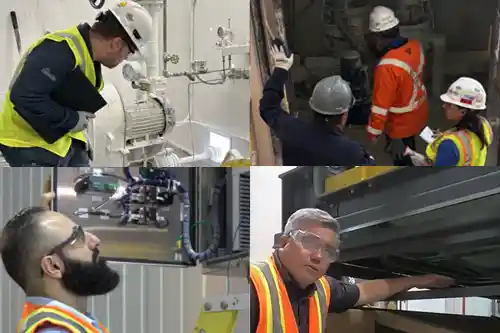
Lime Handling Systems: Expert FAQ Guide
Optimize your lime handling and slaking systems with our expert FAQ guide for installation, maintenance, and storage efficiency.
May 29, 2026
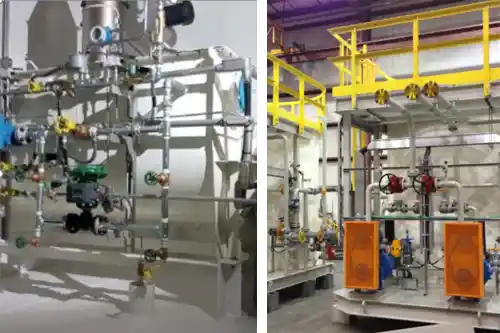
Top 5 Benefits of Retrofitting Lime Systems
As a global leader in designing and supporting bulk chemical storage and handling systems, Carmeuse Systems offers insights into the top five benefits of retrofitting lime systems.
October 01, 2025
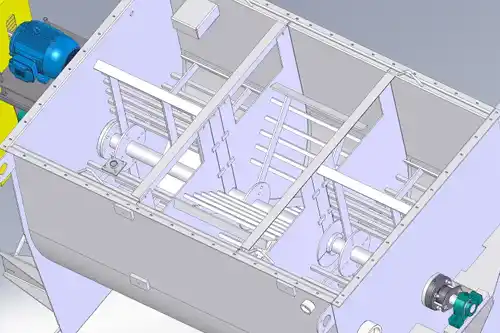
Lime Slaking Basics
Lime slaking is a critical industrial process across a range of applications. Understanding the basics of lime slaking, including its significance and the different types of slakers used, is an important step.