Lime Handling Systems: Expert FAQ Guide
Discover the essentials of industrial lime handling and slaking with this FAQ Guide. It covers system components, installation best practices, and maintenance strategies designed to optimize the storage and processing of quicklime and hydrated lime for maximum operational efficiency.
What Are Lime Handling Systems & Why They Matter
Q: What are lime handling systems?
A: Lime handling systems contain specialized equipment designed to manage the storage, conveying, feeding and processing of lime in various forms (Quicklime, Hydrated Lime, Limestone). These systems are integral to various industries, including steel manufacturing, chemical processing, and environmental applications. Carmeuse Systems is recognized for its expertise in designing efficient lime handling systems for reliable performance and safety.
Q: Why is lime handling important for industrial applications?
A: Lime is a critical component in numerous industrial processes, serving functions such as water treatment, pH adjustment, and as a key ingredient in the manufacturing of steel and other end products. Efficient lime handling systems minimize waste and enhance productivity by ensuring that lime is processed in an effective manner and delivered to the point of application.
Q: How do lime slaking systems fit into the overall lime handling process?
A: Lime slaking systems are a critical component of the lime handling process, transforming quicklime into a hydrated lime slurry suitable for various applications. This process involves mixing lime with water in a controlled manner to produce high-quality slaked lime slurry. Carmeuse Systems offers advanced lime slaking solutions that optimize this reaction, ensuring consistency, high reactivity and quality in the final product.
Lime Handling System Design, Components & Customization
Q: What components are included in lime handling systems?
A: Lime handling systems typically consist of a range of components including silos, feeders, conveyors, dust collection systems, lime slaking units, mixing tanks and pumps. Each part plays a vital role in maintaining the flow and quality of lime, ensuring that it meets the specific requirements of its application. Carmeuse Systems offers a comprehensive range of lime handling equipment and parts that are engineered to enhance system performance and longevity.
Q: Can lime handling systems be customized?
A: Yes, lime handling systems can and often need to be customized to meet the specific needs of an industrial operation. Factors such as the type of lime being handled, the volume of material, and the operational environment all influence the design and functionality of the system. Carmeuse Systems excels in delivering tailored solutions that ensure optimal operation in diverse industrial settings.
Q: Are there environmental considerations associated with lime handling systems?
A: Yes, environmental considerations are paramount in the design and operation of lime handling systems. Carmeuse Systems integrates eco-friendly practices into its solutions, such as efficient dust collection systems that minimize emissions and waste. By adhering to environmental regulations and focusing on sustainability, the company contributes positively to both industry standards and community welfare.
Installation, Operation & Maintenance of Lime Handling Systems
Q: How does the installation process for lime handling systems work?
A: The installation process for lime handling systems involves several coordinated steps. First, a thorough site assessment is completed to define system requirements and any considerations for its layout. Once the system design is approved, components are manufactured, pre-kitted or pre-assembled as appropriate, and shipped to the site. Installation is then performed by a qualified contractor selected by the customer. Throughout this phase, Carmeuse Systems supports the project by providing detailed drawings, installation guidelines, and technical assistance to ensure the system is assembled correctly and efficiently. This collaborative approach helps ensure smooth integration into existing operations and long-term system performance. Carmeuse Systems experts then inspect the installation to ensure all components are correctly positioned and connected and commission the system for operation.
Q: What maintenance is required for lime handling systems?
A: Regular maintenance is essential to ensure the longevity and efficiency of lime handling systems. This includes routine inspections of all components, lubrication of moving parts, checking for wear and tear, replacing consumable parts, and ensuring that dust collection systems are functioning properly. Carmeuse Systems provides comprehensive maintenance plans that help clients maintain their systems effectively, minimizing downtime and enhancing productivity.
Q: How does Carmeuse Systems support clients post-installation?
A: Post-installation support is a cornerstone of Carmeuse Systems' offerings. The company provides ongoing technical support, training for operators, and access to replacement parts as needed. This commitment to customer service ensures that clients can operate their lime handling systems at peak efficiency while minimizing the risk of operational disruptions.
Choosing the Right Lime Handling Partner & Future Trends
Q: What factors should be considered when selecting a lime handling provider?
A: When choosing a lime handling provider, it is crucial to consider their experience, industry reputation, and the range of solutions they offer. Providers should first have in-depth knowledge about lime itself, how it is made, how it is transported to site and how it is used. Understanding the material is critical to building systems that can effectively store and process lime. Your chosen provider must also demonstrate expertise in designing systems that cater to specific industry needs. Additionally, the quality of the parts used in their systems, as well as their support and maintenance services, are vital factors that contribute to long-term system performance and reliability. Carmeuse Systems is a part of Carmeuse, a leading supplier of lime and limestone, meaning that its teams have a deep understanding of lime as a raw material and how to best design systems for its storage, handling, and processing to meet needs across many industrial applications.
Q: How can businesses ensure they are choosing the right lime handling system?
A: To ensure the right lime handling system is chosen, businesses should conduct a comprehensive needs assessment, considering factors like production volume, space constraints, and specific application requirements. Consulting with experts from Carmeuse Systems can provide valuable insights and recommendations tailored to each operation, ensuring that the selected system aligns with both current and future needs.
Q: What are the advantages of using Carmeuse Systems for lime handling needs?
A: Carmeuse Systems stands out as a leader in the lime handling industry due to its commitment to quality and customer satisfaction. With decades of experience, the company provides state-of-the-art solutions that enhance operational efficiency. Their comprehensive support, from system design to commissioning and maintenance, ensures that clients receive exceptional value and reliability.
Q: What trends are shaping the future of lime handling systems?
A: The future of lime handling systems is being shaped by advances in automation, digitalization, and sustainability. Increasingly, companies are adopting smart technologies that enable real-time monitoring and control of lime handling processes. Additionally, there is a growing emphasis on sustainable practices that reduce environmental impact. Carmeuse Systems is at the forefront of these trends, offering innovative solutions that meet the evolving needs of the industry.
Related Blogs
February 18, 2026 | Darren Farnworth
The Essential Guide to Lime Handling Equipment
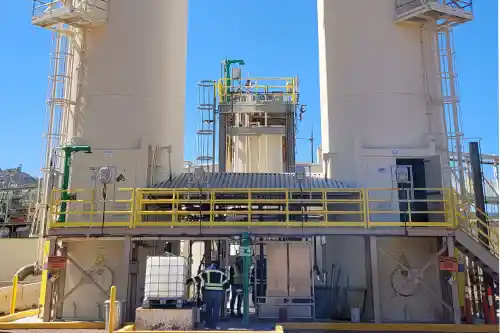
This comprehensive guide delves into the essential components and functions of lime handling equipment, with a particular focus on lime slaking systems and slurry production.
September 29, 2025
Upgrading Bulk Material Handling Systems
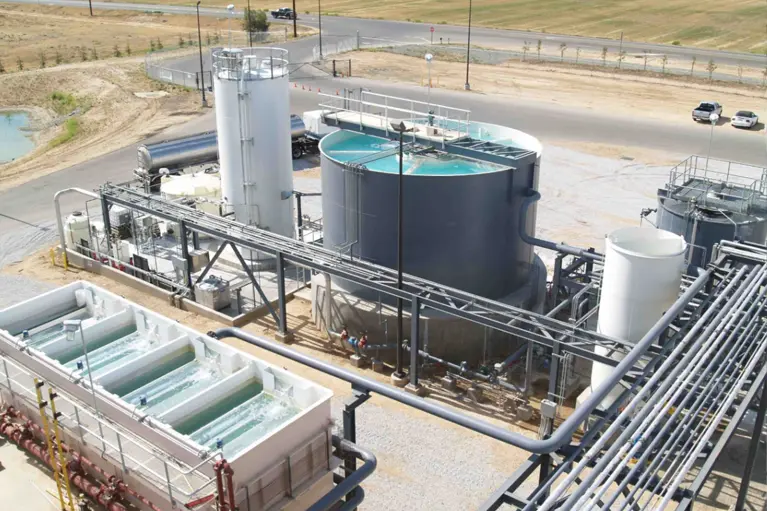
Retrofitting an existing system is often less expensive and disruptive when compared to a full system replacement.
October 01, 2025
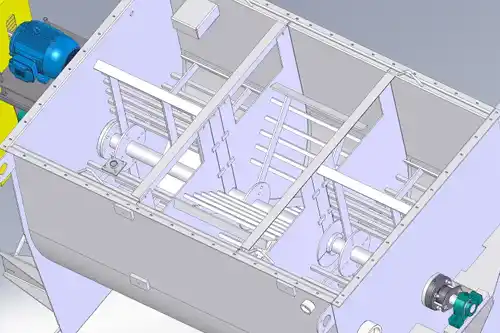
Lime Slaking Basics
Lime slaking is a critical industrial process across a range of applications. Understanding the basics of lime slaking, including its significance and the different types of slakers used, is an important step.