Top 5 Benefits of Retrofitting Lime Systems
At a Glance
As the industrial landscape evolves, retrofitting lime handling and slaking systems is a strategic move that can yield significant benefits. As a global leader in designing and supporting bulk chemical storage and handling systems, Carmeuse Systems offers insights into the top five benefits of retrofitting lime systems.
Operational Efficiency Gains Achieved Through Lime System Retrofits
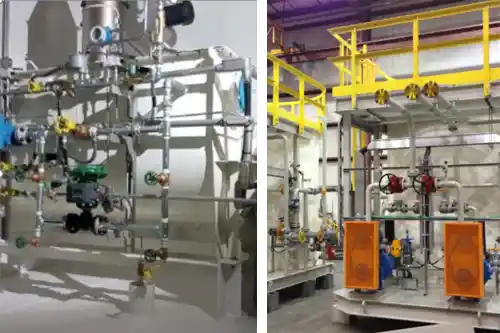
Retrofitting a lime system is often one of the most effective ways to improve day-to-day operating performance without the cost and disruption of a full replacement. Upgraded components and automated controls can improve lime processing, reduce unplanned downtime, and make the system easier for operators to manage. In many cases, these enhancements allow for smoother material handling and more effective slaking – which can also result in additional benefits downstream.
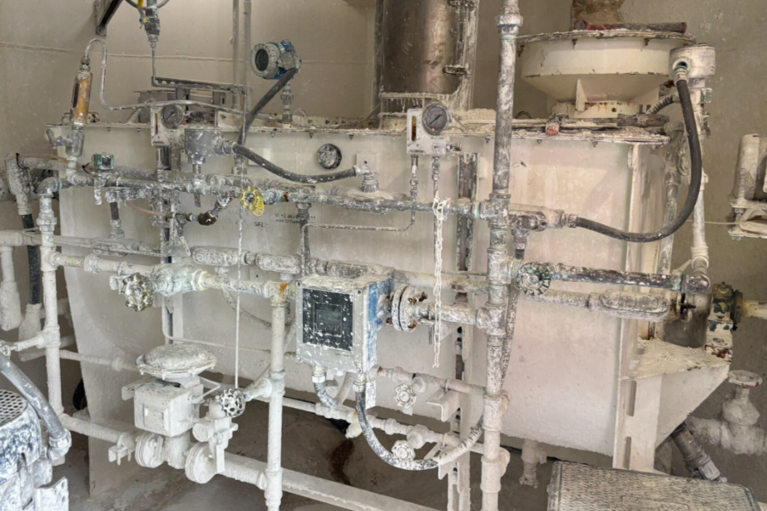
Older lime systems frequently struggle with wear-related failures, require manual adjustments, and have maintenance-heavy designs. Retrofitting addresses these issues by replacing outdated equipment with proven, modern technology that’s built for reliability and easier maintenance. The result is fewer interruptions, less lime waste, and improved operational efficiency to achieve the best lime utilization overall.
Safety Risk Reduction Enabled by Lime System Retrofits
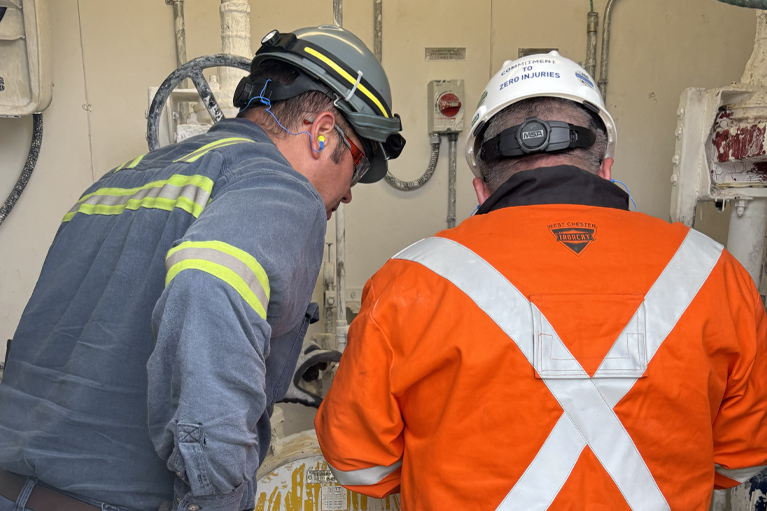
One of the most significant advantages of retrofitting a lime system is the opportunity to meaningfully enhance safety. Modern retrofit projects typically incorporate updated guarding, components, controls, and monitoring systems that align with the latest regulatory and industry standards. By replacing outdated equipment with new, proven technologies and components, operators can significantly reduce the likelihood of spills, dust exposure, and other hazards when handling lime. These improvements not only create a safer working environment for personnel but also help prevent unplanned shutdowns and avoid expensive repairs from equipment failures.
Some of the most common lime handling system retrofits that can help safeguard operational teams include:
- Silo enhancements, including improved pressure relief and flow promotion
- Upgrading dust collection systems
- Modernizing feeders and unloaders
- Improving instrumentation, automation, and controls
- Slaker replacements and mixing system enhancements
- Full system replacements (in cases where major hazards are identified)
Environmental Performance and Compliance Improvements from Lime System Retrofits
Environmental performance is becoming a key factor in how industrial systems are designed and operated. Retrofitting an aging lime system can reduce its environmental impact by addressing inefficiencies that are common in older equipment. Modern retrofit solutions typically incorporate improved dust collection, tighter material containment, and more precise feed control, all of which help lower emissions, reduce waste, and can contribute to a greener operation. More efficient use of lime and utilities also translates into reduced raw material consumption, which has added environmental and cost benefits. Fundamentally, retrofitting old, out-of-date systems shows responsible environmental stewardship, an increasingly important consideration for customers, regulators, and other stakeholders alike.
Cost Effectiveness of Retrofitting Lime Systems
Cost-effectiveness is often one of the strongest arguments for retrofitting a lime system. In many facilities, the core infrastructure is still sound, but problems stem from aging components, outdated controls, or designs that no longer match current operating needs. Retrofitting allows those problem areas to be addressed while preserving usable equipment.
By retrofitting legacy lime handling systems, companies can reduce the risk of costly breakdowns, improve operating efficiency, extend the overall lifespan of their equipment, and see significant cost savings compared to a full replacement. It’s a more practical use of capital that delivers meaningful performance improvements, all while keeping budgets under tighter control.
Future-Proofing Operations with Lime System Retrofits
Lastly, retrofitting lime systems fosters adaptability and future-proofing. As industries evolve and new technologies emerge, facilities must be able to adapt to changing market demands and operational needs. A well-executed retrofit allows existing systems to incorporate new technologies, accommodate new control strategies, integrate automation for process improvements, and comply with evolving regulatory requirements. Just as importantly, replacing worn or outdated components helps extend the usable life of the overall system, allowing sites to continue to get value from their existing assets and delay the need for a full lime handling system replacement.
In Summary
Taken together, the benefits of retrofitting lime systems go well beyond incremental improvements. When approached strategically, retrofits can improve day‑to‑day operational efficiency, reduce risks to safety, lower long‑term operating and maintenance costs, and extend the service life of existing equipment. Well-designed retrofits can enable systems to better adapt as process requirements, regulations, and technologies continue to change. Carmeuse Systems has extensive experience in lime handling and dry bulk material system retrofits, with teams that understand how to balance technical performance, reliability, and capital planning. The result is a practical path forward—one that helps facilities get more value from their systems today while positioning them for stable, efficient operation in the years ahead. For information about lime system retrofits, contact our Carmeuse Systems team.

About the Author
Zach Richardson is the Sales Manager at Carmeuse Systems, with over twenty years of experience in the lime and lime handling industries. Throughout his career, he has worked closely with customers across a wide range of industrial applications, developing a deep understanding of lime use, handling systems, and the operational challenges customers face every day.
Emphasizing face-to-face interaction, collaborative discussions, and tailored recommendations, Zach and his team engage with engineers and plant personnel to help deliver reliable, efficient systems that improve performance, long-term value, and align with the site’s specific goals.
Related Blogs
September 29, 2025
Upgrading Bulk Material Handling Systems
Retrofitting an existing system is often less expensive and disruptive when compared to a full system replacement.
February 18, 2026 | Darren Farnworth
The Essential Guide to Lime Handling Equipment
This comprehensive guide delves into the essential components and functions of lime handling equipment, with a particular focus on lime slaking systems and slurry production.
April 28, 2026
Lime Handling Systems: Expert FAQ Guide
Optimize your lime handling and slaking systems with our expert FAQ guide for installation, maintenance, and storage efficiency.