

Troubleshooting Grit in Lime Slaking
At A Glance
Excessive grit isn't just a disposal issue—it’s often a sign you are throwing away usable, unreacted lime. While some inert grit is normal, discharging reactive quicklime (CaO) increases operating costs, destabilizes downstream processes, and raises maintenance requirements. Before blaming lime quality, check core operating variables like low slaking temperatures, cold makeup water, poor mixing, inadequate residence time, and water chemistry.
High grit discharge from a lime slaking system is often assumed to be an unavoidable byproduct of the process. While some grit is expected and typically consists of inert impurities, excessive grit production can be a warning sign that valuable, reactive lime is leaving the system before it has fully hydrated.
When unreacted quicklime (CaO) is discharged with the grit stream, the impact extends beyond waste disposal. Lost lime represents lost reagent value, increased consumption rates, higher operating costs, and inconsistent downstream process performance. In many cases, excessive reactive grit is not solely a lime quality issue. It may indicate that the slaker is operating outside its optimal temperature, residence time, mixing, or water chemistry conditions.
Understanding the difference between inert grit and reactive grit is one of the most effective ways to improve slaker efficiency and maximize the return on every ton of quicklime purchased.
Why Grit Forms in Lime Slaking Systems
The purpose of a lime slaker is to convert quicklime (CaO) into calcium hydroxide (Ca(OH)₂), commonly referred to as milk of lime.
The hydration reaction is highly exothermic:
CaO + H₂O → Ca(OH)₂ + Heat
Under ideal operating conditions, most quicklime particles fully hydrate before entering downstream slurry storage and distribution systems. However, not all lime particles react at the same rate.
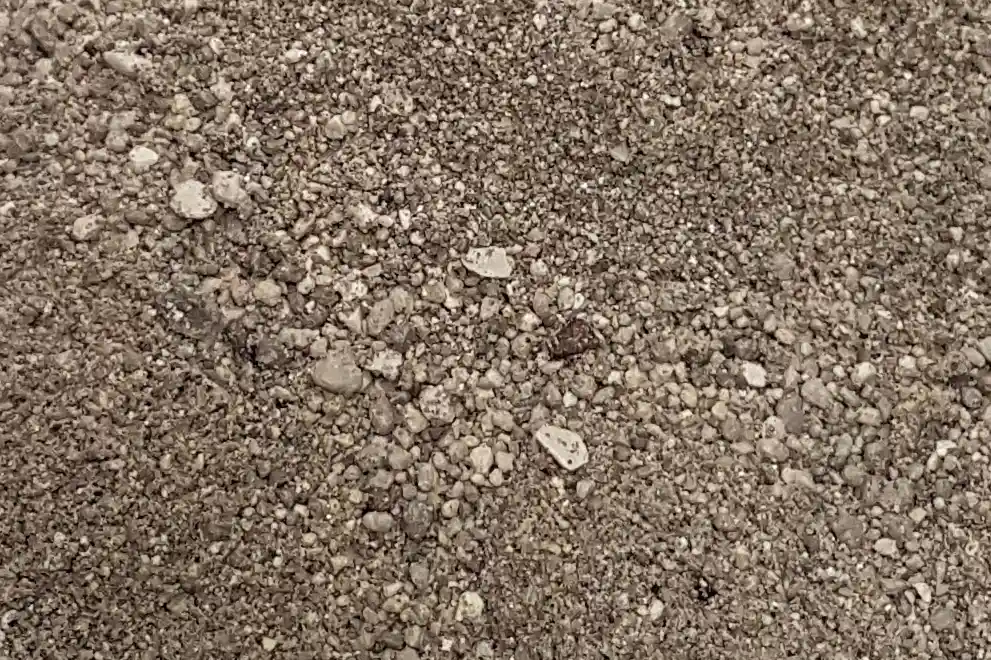
Grit discharged from a slaker typically contains a combination of:
- Naturally occurring impurities from the limestone
- Silica, clay, and ash
- Overburned lime particles
- Under-reacted quicklime
- Partially hydrated lime agglomerates
While inert materials have no reagent value and must be removed to protect downstream equipment, unreacted lime represents a direct loss of usable alkalinity. In severe cases, operators unknowingly increase lime feed rates to compensate for poor process performance when the real problem is reactive lime being discarded with the grit stream.
Not all quicklime hydrates at the same rate. Lime reactivity can vary significantly based on how the stone was calcined in the kiln. Overburned lime often develops a dense particle structure that slows water penetration and hydration. In addition, poor slaking conditions such as low temperature, inadequate mixing, insufficient residence time, or unfavorable water chemistry can prevent complete hydration and increase reactive grit losses.
The Hidden Cost of Reactive Grit
Many facilities closely track their lime price per ton but fail to monitor how effectively that lime is being converted into usable calcium hydroxide. The more important metric is lime utilization.
For example, a facility consuming 10,000 tons of quicklime annually that loses only 2% of its lime through reactive grit could be discarding approximately 200 tons of usable reagent every year.
The impact extends far beyond reagent waste:
- Increased lime consumption
- Higher operating costs
- Additional grit disposal requirements
- Reduced slurry production efficiency
- More operator intervention
- Increased maintenance expenses
- Reduced process stability
Facilities often focus on direct reagent costs, but the hidden costs associated with process instability, maintenance, scaling, plugging, and downtime can exceed the cost of the wasted lime itself.
Key Insight: Excessive grit is not merely a waste disposal issue. It is usually a process efficiency issue that can impact the performance of the entire operation.
Common Symptoms of Unreacted Lime in Grit
Watch for these indicators:
- High grit production rates relative to lime feed
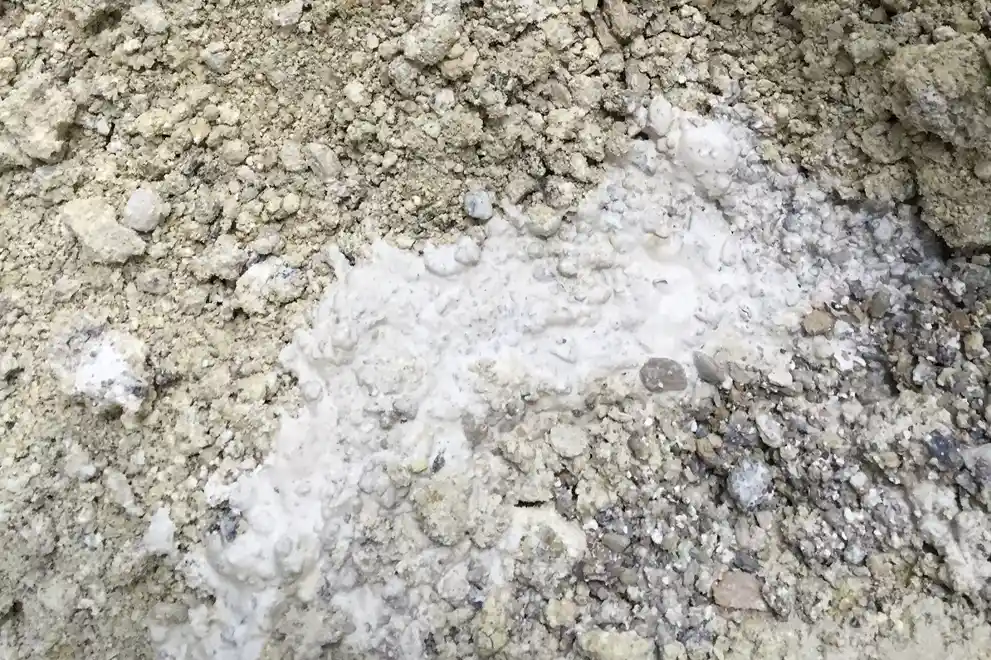
- Visible white or off-white particles in grit
- Grit that generates heat when wetted
- Slurry density that is difficult to controlI
- Increased lime consumption without a corresponding increase in process demand
- Poor pH contro
- Reduced neutralization efficiency
- Increased scaling or plugging in downstream equipment/li>
- Variability in slurry quality from shift to shift
These symptoms often indicate that usable lime is leaving the slaker before hydration is complete.
How to Tell if Your Grit Contains Unreacted Lime
Simple Field Reactivity Test
A quick screening test operators can perform:
- Collect a representative grit sample.
- Place the sample in a container.
- Add water.
- Observe for:
- Heat generation
- Steaming
- Visible hydration
- Formation of slurry
If the material reacts, unhydrated CaO is likely present.
Temperature Response Check
Because lime hydration releases heat, reactive grit can often be identified through a temperature rise.
- Measure the temperature of process water.
- Wet the grit sample.
- Monitor temperature changes.
A noticeable increase suggests ongoing hydration is occurring and reactive lime remains in the grit stream.
Sieve and Visual Analysis
Screen the grit into multiple particle size fractions.
Evaluate the coarse material:
- White, angular particles often indicate unreacted quicklime.
- Partially slaked agglomerates may appear soft and friable.
- Dark, glassy particles are more likely inert impurities or kiln-related residue.
Laboratory Available Lime Testing
For a more precise assessment:
- Submit grit samples to the Carmeuse Innovation Center.
- Perform available CaO testing.
- Compare results against incoming lime quality.
Quantifying available lime in grit provides an objective measure of reagent loss and helps establish the financial impact of the problem. An example Carmeuse field investigation identified grit containing approximately 40% available lime, demonstrating that significant reagent value can be lost when slaking conditions are not optimized.
Mass Balance Evaluation
At the system level:
- Compare lime feed rates to slurry production.
- Evaluate process performance versus lime consumption.
- Review historic operating trends.
Unexpected losses can indicate reactive lime reporting to the grit stream rather than becoming useful slurry.
Critical Operating Variables That Influence Grit Generation
Before assuming lime quality is the problem, operators should evaluate the fundamental variables that control the hydration process.
Slaking Temperature
Temperature is one of the most important variables affecting hydration rate and slurry reactivity.
Typical operating targets include:
- Detention slakers: 175°F to 185°F
- Ball mill slakers: approximately 175°F to 185°F
- Paste slakers: 185°F to 195°F
When slaking temperatures fall below these ranges, hydration rates decrease, residue increases, and reactive grit losses often rise significantly. Low slaking temperatures have frequently been identified as a root cause of excessive reactive grit.
Water Temperature
Cold water can make it difficult to achieve proper slaking conditions, particularly during winter operation.
Low water temperatures can result in:
- Reduced reaction rates
- Coarser hydrate particle size
- Increased grit production
- Lower slurry reactivity
Facilities using water below approximately 70°F should evaluate whether water preheating is warranted.
Water Chemistry
Water quality can significantly influence slaking performance.
Potential concerns include:
- High sulfate levels
- High sulfite concentrations
- Elevated phosphate levels
- Excessive hardness
These constituents can slow hydration, create surface coatings on lime particles, contribute to scaling, and reduce slurry reactivity. Chronic grit issues should always include a review of process water chemistry.
Residence Time
Quicklime requires sufficient residence time to fully react.
Insufficient residence time may result from:
- Excessive feed rates
- Operating above design capacity
- Mechanical issues
- Process upsets
Particles leaving the slaker prematurely often report directly to grit removal equipment.
Mixing and Agitation
Proper mixing continuously exposes fresh reactive surfaces to water.
Poor agitation can create:
- Dead zones
- Particle agglomeration
- Incomplete hydration
- Increased reactive grit losses
Maintaining proper mixing intensity is critical for maximizing lime utilization.
Troubleshooting: Why Is Lime Ending Up in Grit?
| Symptom | Likely Cause | How to Verify | Corrective Action |
|---|---|---|---|
| High reactive grit | Short residence time | Check slaker retention time | Increase retention or reduce feed rate |
| Coarse unreacted particles | Poor lime quality or overburned lime | Review lime specs and particle size (PSD) | Coordinate with supplier and optimize operating conditions |
| Incomplete hydration | Low slaking temperature | Check temperature profile | Increase water temperature or optimize feed |
| Grit carryover | Inadequate agitation | Inspect mixing performance | Adjust mixer speed or configuration or operation |
| Variable grit quality | Inconsistent feed or water control | Review instrumentation trends | Calibrate flow, density, and temperature controls |
| High grit production | Improper water-to-lime ratio | Check dilution ratio | Optimize water addition |
| High reactive grit during cold weather | Low makeup water temperature | Review seasonal trends | Install or optimize water preheating |
| High reactive grit during cold weather | Unfavorable water chemistry | Analyze process water | Evaluate sulfate, sulfite, phosphate, and hardness concentrations |
What to Do If You Confirm Reactive Lime in Grit
Immediate Actions
- Contact Carmeuse Systems to discuss your findings.
- Conduct an on-site slaking system assessment.
- Review operating data and process trends.
- Analyze grit and slurry samples.
- Evaluate lime quality and water chemistry.
- Implement recommended improvements.
- Establish ongoing monitoring of grit quality and slaker operating conditions.
The most successful corrective actions focus on identifying and eliminating the root cause rather than simply increasing lime feed rates.
Frequent Questions About Grit
No. Some grit is expected and consists primarily of inert materials and impurities. The concern is when grit contains recoverable reactive lime.
There is no universal target. However, sudden increases in grit generation or changes in grit appearance should trigger investigation.
Sometimes. However, recycling reactive grit without proper evaluation and controls can destabilize slurry quality and process performance.
No. While lime quality can contribute, operational issues such as temperature control, water chemistry, agitation, and residence time are frequently the primary causes of excessive reactive grit.
When to Call an Expert
If you have confirmed reactive lime in your grit and:
- Operating adjustments are not improving performance
- Lime consumption continues to rise
- Slurry quality remains inconsistent
- Instrumentation data is unclear
- Root causes cannot be confidently identified
It may be time for a comprehensive slaking system evaluation.
Carmeuse Systems specializes in diagnosing and optimizing lime slaking systems across water treatment, mining, FGD, chemical processing, steel, and industrial applications. Our experts can help identify inefficiencies, quantify reagent losses, and recommend practical solutions to improve performance.
Reactive Grit Is a Leading Indicator of Slaker Performance
Reactive grit should be viewed as a key performance indicator for any lime slaking system.
When unreacted lime leaves the system through the grit stream, the operation is not receiving full value from the reagent it purchases. The result can be higher lime consumption, unstable slurry quality, increased maintenance requirements, and reduced process efficiency throughout the plant.
By routinely monitoring grit quality and addressing operating conditions before they become major issues, facilities can improve lime utilization, reduce waste, stabilize downstream performance, and maximize the return on every ton of quicklime processed.
Stop Wasting Lime. Get a Slaking System Checkup.
Carmeuse Systems specializes in evaluating and optimizing lime slaking systems across a wide range of industries. Whether you're experiencing excessive grit production, inconsistent slurry quality, or rising reagent consumption, our team can help you:
- Identify hidden inefficiencies
- Quantify reagent losses
- Improve lime utilization
- Optimize slaking performance
- Reduce maintenance and downtime
- Increase overall process reliability
Contact Carmeuse Systems today to schedule a slaking system evaluation and turn grit losses into measurable operational savings.

About the Author
Scott is an Applications Engineer with over 20 years of experience supporting lime handling and slaking systems across heavy industrial markets. He has extensive experience working directly with customers to evaluate process conditions, identify operational challenges, and recommend practical system improvements. Scott focuses on the relationship between process chemistry, water quality, and operating conditions, helping customers improve slaking performance, slurry stability, and overall system reliability. He supports both new system design and optimization of existing installations by providing solutions tailored to real-world operating environments.
Related Blogs
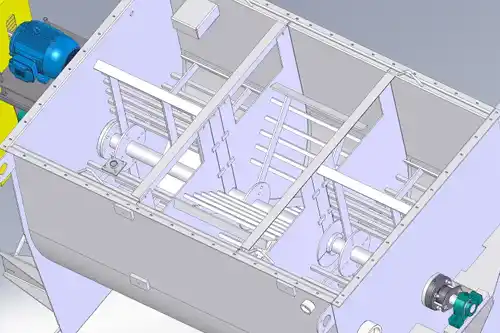
October 01, 2025
Lime Slaking Basics
Lime slaking is a critical industrial process across a range of applications. Understanding the basics of lime slaking, including its significance and the different types of slakers used, is an important step.
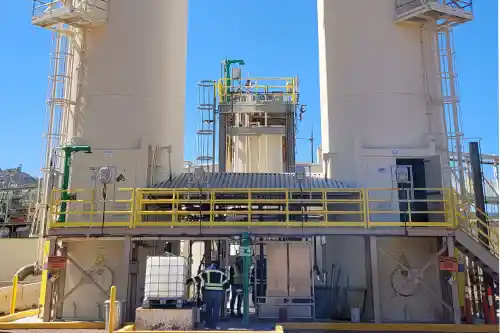
February 18, 2026 | Darren Farnworth
The Essential Guide to Lime Handling Equipment
This comprehensive guide delves into the essential components and functions of lime handling equipment, with a particular focus on lime slaking systems and slurry production.
June 24, 2026
Industry Insights: Trends in Lime Handling Equipment
This article takes a closer look at the trends shaping modern lime handling equipment and highlights what organizations should keep in mind as they look to improve performance, safety, and overall efficiency.