Project Profiles
Improving Grit Quality
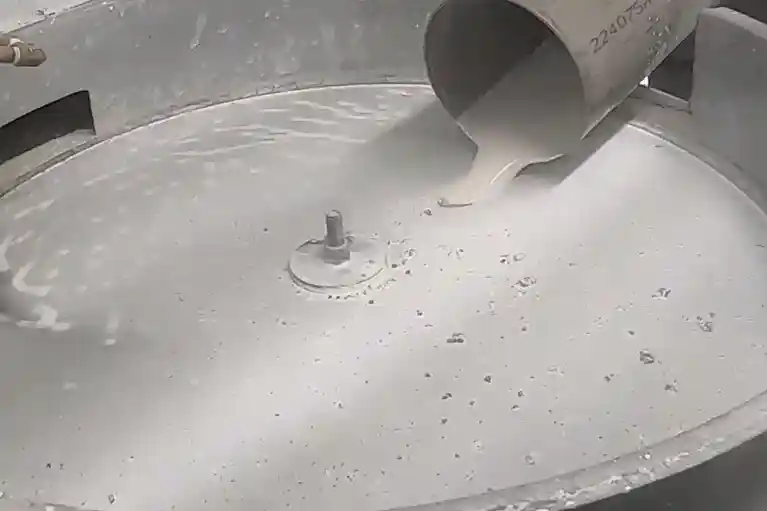
A Carmeuse Systems customer operates a water treatment facility. They use a lime slaker system on-site and observed lime appearing in the grit which was wasting reagent and potentially impacting the efficacy of the treatment process.
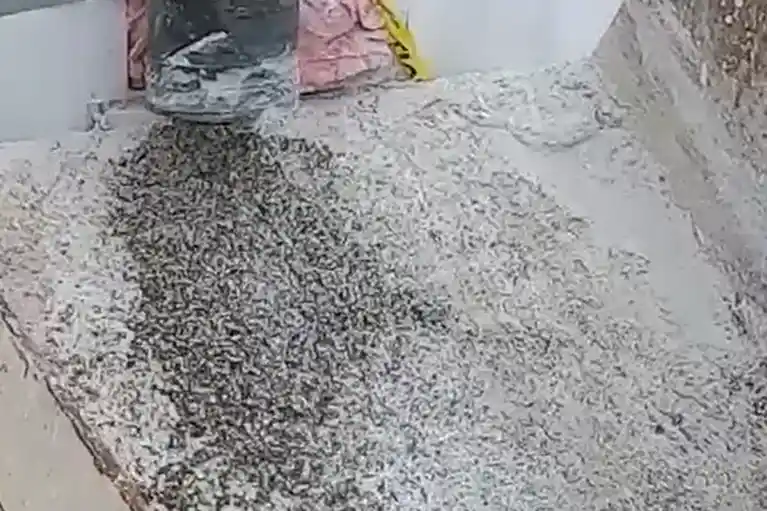
As the trusted advisors in the lime handling space, our experts were able to identify an opportunity to improve the efficiency of a lime slaking system through visual inspection, grit testing by our Carmeuse Innovation Center, and implementation of corrective actions to improve performance.
Overview
Situation Overview
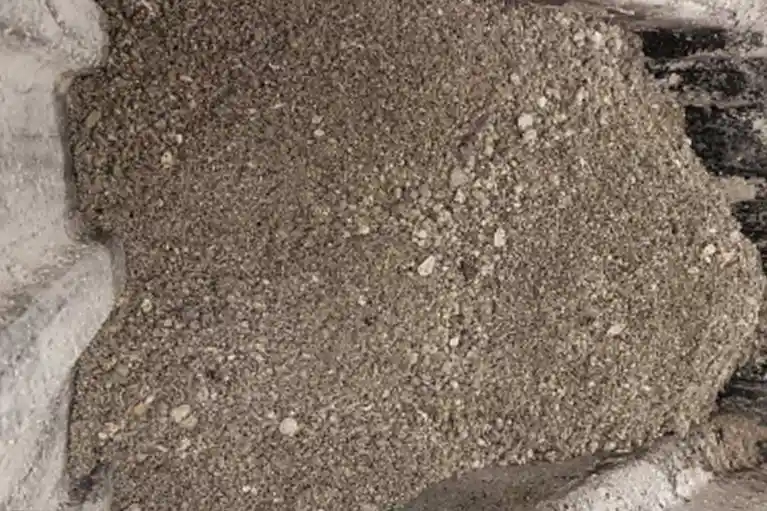
When visiting the water treatment plant in 2025, experts from Carmeuse Systems performed a visual inspection to ensure that the system was running efficiently. Upon inspection of the grit bin, it became clear that unreacted lime was in the grit. It was important to resolve this issue and ensure that the process was running correctly.
The Carmeuse Systems team sent samples of the grit to the Innovation Center for laboratory testing and it was determined that the grit showed approximately 40% available lime that was unreacted. Though the slurry testing confirmed that the slurry itself was within expected parameters, it was clear that reagent was being wasted.
Challenges
Challenges
- Manual Operation
The routine maintenance and operation staff had limited familiarity with the slaking system, resulting in the system being run manually, instead of through appropriate automated controls. - Incorrect Slaking Temperature
The slaking system was being consistently run at the incorrect temperature, averaging a slaking temperature of 170°F (76°C).
Value Provided
Value Provided
Using their expertise, visual inspections, and laboratory findings, the trusted advisors at Carmeuse Systems identified the root cause and recommended corrective actions.
- The investigation determined that the slaking temperature was too low, preventing complete hydration of the lime. Carmeuse Systems recommended increasing the slaking temperature to the target operating temperature of 185°F (85°C).
- The piping system was cleaned to address buildup and support proper system operation.
Outcomes
Outcomes
Following implementation of the recommended corrective actions, the amount of unreacted lime reporting to the grit stream was significantly reduced. By restoring proper slaking conditions, the facility improved lime utilization, reduced reagent waste, and increased overall process efficiency.