
Critical Safety Considerations in Lime Slaking
Safe lime handling and lime slaking requires understanding where things can go wrong and how to address issues before they escalate. In demanding operating conditions, even small inefficiencies can lead to safety concerns, downtime, or costly failures if they’re not caught early.
Because lime slaking involves high heat, pressure, and a caustic reaction, keeping the system running properly is critical to protecting your team and your operation.
Here are four key indicators that your slaking system needs attention:

Inconsistent Slaking Temperatures
or Unstable Reactions
Fluctuating temperatures can signal improper water-to-lime ratios, poor control logic, or uneven feed rates. This instability not only impacts slaking efficiency but can create unpredictable reactions that risk overheating and increase system stress.

Excessive Steam Release
or Poor Ventilation
While steam is a natural byproduct of slaking, excessive steam can be an indicator of inadequate ventilation or other process issues. Trapped steam can also put operators and maintenance personnel at risk and accelerate corrosion within the slaking room.


Increased Grit Buildup
or Incomplete Slaking
High grit levels can be caused by insufficient retention time, poor mixing, or feed quality issues. Poorly managed grit can reduce system performance, impact slurry quality, and cause maintenance challenges downstream if it is pumped into later stages of your process.

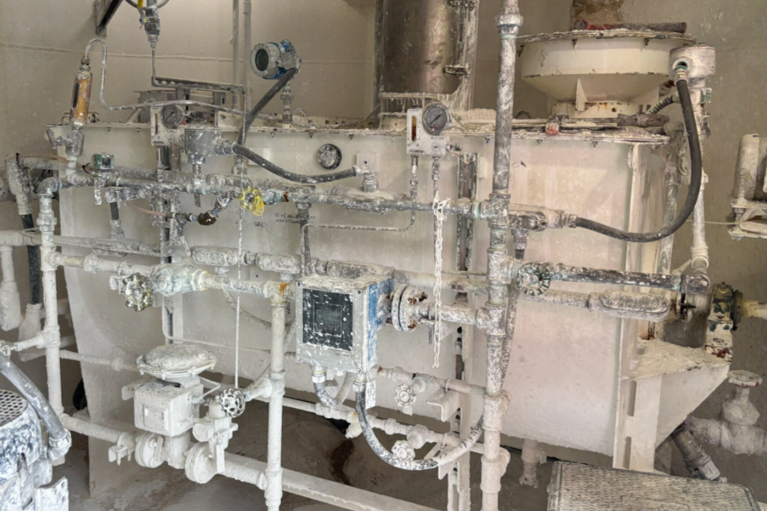
Scaling Deposits
or Restricted Flow
Buildup within piping, slakers, or transfer points can restrict flow and increase system pressure. Scaling deposits often develop gradually but can lead to blockages, inefficiencies, and unexpected downtime, if not addressed.
Early Warning Signs Across Your Lime Handling Equipment
Ignoring your lime handling equipment can lead to issues that compromise system performance and endanger workers. Some early indicators to watch for include:
- Unusual Vibrations or Noise: Changes from normal equipment operation should prompt an inspection to identify the source before the condition worsens.
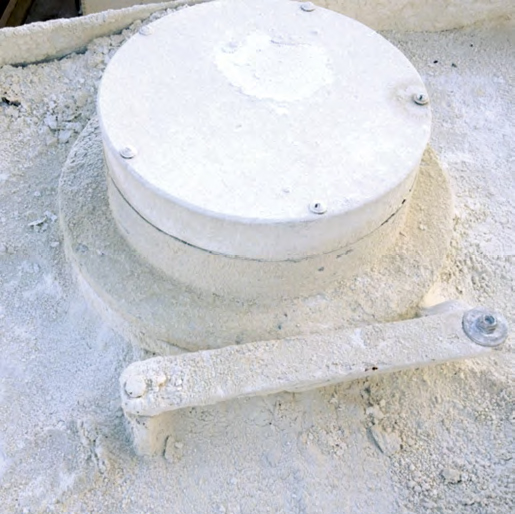
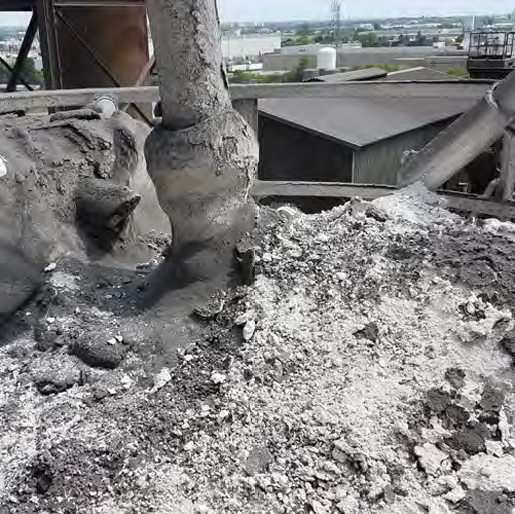
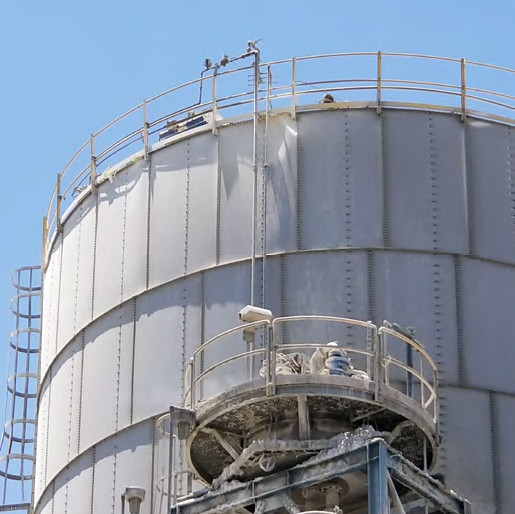
- Excessive Dusting, Material Buildup or Blockages: Look for recurring accumulation, restricted flow, or dust escaping from areas where it normally would not.
- Visible Leaks & Erratic Flow: Investigate leaks and inconsistent material flow when they appear rather than allowing them to become part of normal operation.
- Accelerated Wear or Frequent Parts Replacement: If critical components wear faster than expected or the same parts require repeated replacement, look beyond the individual component to determine what is contributing to the pattern.
- Frequent Manual Interventions: Recurring adjustments and operator workarounds deserve a closer look. Document when and where they occur and evaluate why they are needed.
Proactive Maintenance: Catch Small Issues Early
Recognizing problem areas early is key to preventing unplanned outages and hazardous conditions in your lime handling equipment. If your team is not sure what to look for, use our Spotting Signs of Trouble guide as a starting point or reach out to our team for help evaluating your equipment. Taking action early can help ensure minor operational challenges do not turn into major system failures.
Partnering with Carmeuse Systems for Operational Safety
At Carmeuse Systems, we go beyond supplying equipment. We help you understand, maintain, and optimize your entire lime handling operation. With decades of hands-on experience, our team provides support across the life of your system, including:
- System & Safety Evaluations: Evaluate equipment condition, operation, and areas where improvements may be needed..
- Operator Training & Best Practices: Help operators better understand their equipment and reinforce practices for safe, effective operation.
- Troubleshooting & Performance Optimization: Identify problems, evaluate system performance, and determine practical steps to improve operation.
- Upgrades & Retrofits: Evaluate opportunities to update existing equipment with safety and reliability in mind.
Whether you’re addressing a specific issue or taking a broader look at your system, our team can help you determine the right path forward.